Understanding AI Photo Editors
In an era where visual content dominates social media and digital marketing, the importance of high-quality images cannot be overstated. Traditional photo editing can often be time-consuming and requires extensive technical skills. Enter the ai photo editor, a game-changing technology that promises to revolutionize how we edit and enhance images. By leveraging artificial intelligence and machine learning, these tools offer intuitive, efficient, and innovative solutions for both amateur photographers and professional designers alike.
What is an AI Photo Editor?
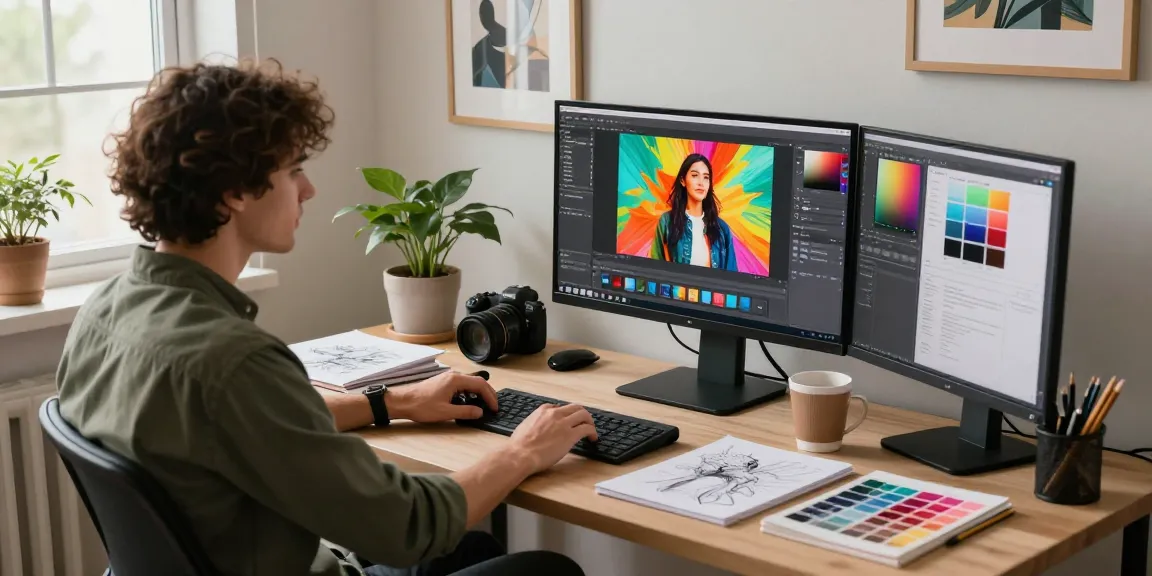
An AI photo editor is a software tool that utilizes artificial intelligence algorithms to automate and streamline the photo editing process. These editors can analyze images, understand elements like texture, color, and composition, and apply adjustments based on learned patterns from vast datasets. Unlike traditional editors, which require manual adjustments, AI photo editors can often suggest or apply fixes autonomously, providing users with quick results that maintain a professional quality.
Benefits of Using AI in Photo Editing
- Speed: AI photo editors can significantly reduce the time spent on editing, allowing users to produce results faster without sacrificing quality.
- Accessibility: They bridge the gap for users with limited editing skills, offering intuitive interfaces and features that anyone can learn to use.
- Consistency: AI can ensure consistent results across a series of photos, which is particularly beneficial for branding and portfolio work.
- Advanced Features: Many AI tools include features like automatic background removal, content-aware fill, and style transfer, which enhance creativity with minimal effort.
Common Misconceptions About AI Photo Editors
Despite the growing popularity of AI photo editors, several misconceptions remain. One common myth is that AI can completely replace human creativity. While these tools can automate tasks, the artistic vision and final decisions still rely on the user’s discretion. Another misconception is that AI photo editors produce low-quality results. On the contrary, many of these tools use advanced algorithms that can produce remarkably high-quality edits, often indistinguishable from those made by professional editors.
How AI Photo Editors Work
Key Features of AI Photo Editing Tools
AI photo editors come packed with a variety of features designed to optimize the editing experience. Key features typically include:
- Automatic Enhancements: Tools that can automatically adjust brightness, contrast, saturation, and other elements based on the image content.
- Object Recognition: Advanced algorithms can identify and target specific objects within an image for more precise edits.
- Style Transfer: This feature allows users to apply the visual style of one image to another, creating unique artistic effects.
- Content-Aware Fill: AI can intelligently fill in or remove parts of an image with contextually relevant material.
Understanding Machine Learning in Photo Editing
Machine learning is a subset of artificial intelligence that focuses on the development of algorithms that allow computers to learn from and make predictions based on data. In photo editing, machine learning algorithms analyze thousands of images to understand patterns in lighting, color, shadows, and more. This allows AI photo editors to make informed suggestions and edits that align with aesthetic standards drawn from a vast range of artistic inputs.
Real-World Examples of AI Photo Editing Applications
Numerous industries are adopting AI photo editing technology. For instance, e-commerce platforms use AI to automatically enhance product images, improving visual appeal without manual intervention. In the film industry, AI tools assist in correcting lighting and color grading during the post-production process. Furthermore, social media influencers leverage AI editors to create stunning visuals that enhance their brand image rapidly.
Choosing the Right AI Photo Editor
Factors to Consider When Selecting an AI Photo Editor
Choosing the right AI photo editor depends on various factors:
- User Experience: Look for a tool that offers an intuitive interface and easy navigation suited to your skill level.
- Features and Capabilities: Assess what specific features are most valuable for your editing needs, whether it’s batch processing, export options, or unique editing effects.
- Customer Support: Consider the availability of tutorials, customer service, and community forums that can assist you in learning the software.
- Cost Structure: Compare free and subscription-based models to determine the best fit for your budget and editing frequency.
Comparing Popular AI Photo Editors in 2026
As of 2026, several AI photo editors stand out in the market, each with unique strengths. Tools like Adobe Photoshop now incorporate AI-driven features, and smaller companies like Luminar AI and Photodiva offer user-friendly alternatives. When evaluating these platforms, consider their AI capabilities, user base, and the extent of their integrations with other software.
Cost Analysis: Free vs. Paid AI Photo Editors
Free AI photo editors may provide basic features that are suitable for casual users, but often lack advanced tools and customer support. Paid options, while they require an investment, generally grant users access to a broader range of features, regular updates, and dedicated support. Analyze how frequently you intend to use the software and your budget to decide the best route for you.
Best Practices for Using AI Photo Editors
Step-by-Step Guide to Editing Photos with AI Tools
To maximize the potential of AI photo editors, follow these steps:
- Import Your Image: Start by uploading the image you wish to edit.
- Choose Your Adjustments: Utilize the suggested automatic enhancements, or manually select the features you want to adjust.
- Review Changes: Use before-and-after comparisons to assess the edits made by the AI.
- Final Touches: Make any final manual adjustments to ensure the image aligns with your vision.
- Export Your Edited Photo: Save your work in the desired format, ready for sharing or use.
Optimizing Workflow with AI Technology
AI technology can significantly streamline workflows. By adopting batch processing features, users can edit multiple images simultaneously, saving time and maintaining consistency across projects. Additionally, integrating AI photo editing tools with existing platforms (like CMS or social media) can facilitate seamless posting and sharing.
Case Studies: Success Stories Using AI Photo Editors
Numerous individuals and businesses have reported tangible benefits from using AI photo editors. For example, a small business owner experienced a 50% increase in online engagement after switching to an AI tool for product photography. Similarly, a freelance artist found that using AI-based features allowed them to take on twice as many clients, thanks to reduced editing times.
The Future of AI in Photo Editing
Emerging Trends in AI Photo Editing Tools
The landscape of AI photo editing is constantly evolving. Emerging trends include:
- Augmented Reality (AR) Integration: AI photo editors are beginning to incorporate AR features, allowing users to visualize edits in real time.
- Collaborative Editing: Future tools may offer real-time collaboration features, enabling multiple users to work on a project simultaneously.
- Personalization: AI will increasingly learn user preferences over time, adapting its features and suggestions to fit individual styles.
Predictions for the Industry by 2026
By 2026, it’s expected that AI photo editing tools will become standard in both professional and personal use. As technology and algorithms improve, we’ll likely see even greater automation of complex tasks, leading to enhanced creativity and more refined editing capabilities.
Expert Insights on Evolving AI Technology in Design
Industry experts predict that AI will reshape the design landscape, with improved algorithms that allow for more nuanced edits. As AI solutions become more sophisticated, designers will find new ways to enhance their workflows and explore creative possibilities that were once inconceivable.
What Are the Limitations of AI Photo Editing?
While AI photo editors offer significant advantages, it’s important to acknowledge their limitations. They may struggle with artistic elements requiring human intuition or creativity, and reliance on AI can sometimes lead to a homogenized aesthetic. Understanding these limitations enables users to leverage AI tools effectively while maintaining their unique artistic voice.
How Can AI Photo Editors Enhance Creativity?
AI photo editors can enhance creativity by offering new perspectives and functions that users may not have previously considered. For instance, the ability to experiment with different styles through AI-driven filters can inspire users to explore artistic directions that they might not have chosen otherwise. This fusion of technology and creativity empowers individuals to produce work that stands out.