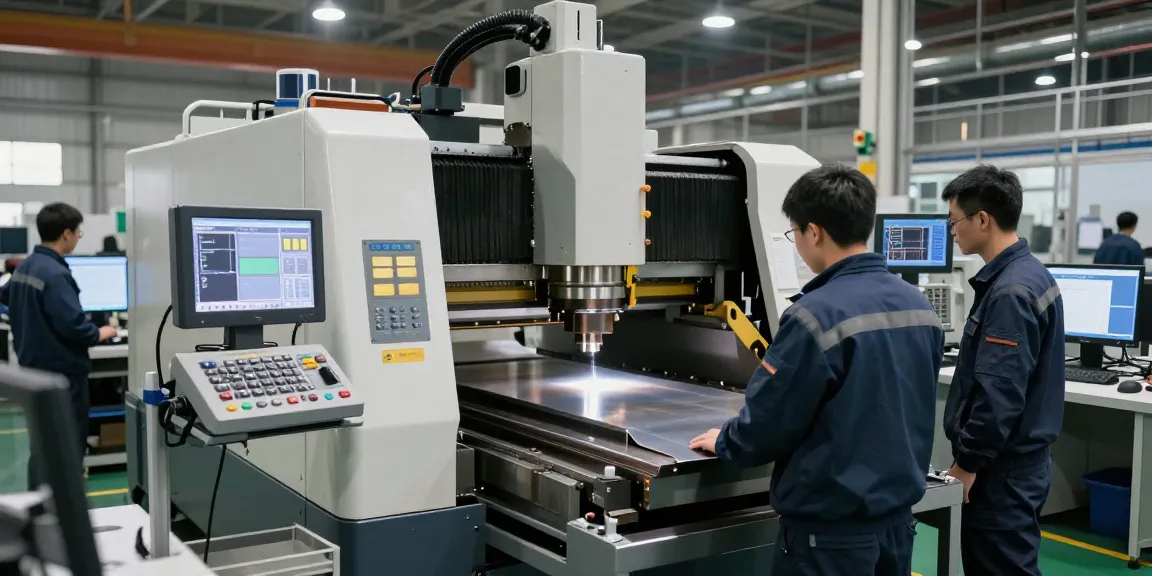
Understanding Hydraulic CNC Press Brake Machines
The hydraulic CNC press brake machine is a cornerstone of modern manufacturing, enabling precise bending of metal sheets with high efficiency. In essence, these machines combine the power of hydraulic systems with advanced computer numerical control (CNC) technology. This powerful integration allows for consistent and accurate bending, meeting the demands of various industries, from automotive to aerospace. When exploring options, hydraulic cnc press brake machine offers comprehensive insights into the features and capabilities modern manufacturers should consider.
What is a Hydraulic CNC Press Brake Machine?
A hydraulic CNC press brake machine is a vital piece of equipment used for bending and shaping metal sheets. It operates by using hydraulic cylinders to lift and lower a ram that applies pressure on the material placed on the machine. This technology allows for remarkable flexibility in terms of the types of bends and shapes that can be produced. Typically equipped with a CNC control system, these machines can be programmed to execute complex bending tasks with high precision, making them essential for manufacturers requiring exact specifications.
How Hydraulic Systems Enhance Precision in Bending
The hydraulic system in a CNC press brake plays a critical role in ensuring precision. By utilizing an electro-hydraulic proportional valve system, the machine can modify the Y1 and Y2 axes in real-time, resulting in a bending accuracy of as high as ±0.01mm. This precision is essential in industries where tolerances are critical, such as aerospace and automotive manufacturing. Furthermore, the hydraulic system’s ability to exert uniform force across a large area helps in minimizing stress concentrations, thus enhancing the quality of the final product.
Design Considerations for Optimal Performance
When designing a hydraulic CNC press brake machine, several factors must be considered to ensure optimal performance. These include the size of the machine, the tonnage required for specific tasks, and the types of materials that will be bent. Additionally, amenities such as a robust control system, user-friendly interfaces, and safety features should not be overlooked. Mechanical elements, such as the choice of back gauge and the use of double linear guides, can significantly impact the machine’s performance and longevity.
Market Trends Impacting Hydraulic CNC Press Brake Machines
The landscape of hydraulic CNC press brake machines is evolving, driven by various market trends that shape their design and functionality. Innovations in manufacturing technology create new possibilities while changing customer expectations necessitate advanced features that ensure efficiency and safety.
Emerging Technologies in Manufacturing
As the manufacturing sector rapidly evolves, new technologies emerge that can enhance the capabilities of hydraulic CNC press brakes. These advancements may include AI-driven predictive maintenance features or the integration of Industry 4.0 principles, where machines communicate within a smart factory environment. Such technologies can substantially increase productivity by reducing downtime and optimizing performance.
Customer Demand for Automation and Efficiency
Today’s manufacturers are increasingly seeking automation solutions that enhance productivity and reduce labor costs. Hydraulic CNC press brake machines that can seamlessly integrate with robotic systems or offer features like automatic tool changes are becoming more desirable. This demand for automation is also linked to the need for faster production cycles without compromising quality.
Global Supply Chain Influences on Machine Manufacturing
The global supply chain plays a significant role in the manufacturing of hydraulic CNC press brake machines. Fluctuations in material costs, shipping delays, and geopolitical factors can impact pricing and availability. Manufacturers must carefully assess their supply chain strategies to mitigate these risks and ensure a steady flow of components essential for producing high-quality machines.
Innovations in Control Systems for Hydraulic CNC Press Brakes
Control systems are at the heart of any CNC machine, and innovations in this area are crucial for improving functionality and user experience.
Integration of Advanced CNC Technology
Modern hydraulic CNC press brakes often incorporate sophisticated CNC technologies that significantly enhance their operational capabilities. The integration of touchscreens, graphical programming interfaces, and real-time data processing allows operators to carry out tasks more intuitively. For instance, systems that support both data and graphic programming enable quicker project setups, saving valuable time in the manufacturing process.
Trends in User Interfaces and Usability
User interface design has a direct impact on the efficiency of machine operation. With the increasing complexity of CNC systems, a focus on usability has emerged. Modern interfaces prioritize ease of use, allowing operators to navigate through programming options and settings seamlessly. Features such as customizable dashboards can also enhance user experience, enabling operators to visualize critical data at a glance.
Real-time Monitoring and Data Analytics
Another pivotal innovation in hydraulic CNC press brakes is the application of real-time monitoring and data analytics. These capabilities allow manufacturers to gather insights on machine performance, detect anomalies, and forecast maintenance needs. By leveraging data analytics, manufacturers can optimize their production processes and reduce operational costs, ultimately achieving a higher return on investment.
Operational Advantages of Hydraulic CNC Press Brake Machines
The operational advantages of hydraulic CNC press brakes are one of the primary reasons for their widespread use in manufacturing environments.
Efficiency in Production Processes
Hydraulic CNC press brake machines are designed for efficiency. Their ability to execute multiple bends quickly and accurately means that manufacturing can process a higher volume of work in less time. Efficient energy consumption through advanced hydraulic systems also contributes to this advantage, as hydraulic machines generally operate more effectively under load compared to mechanical alternatives.
Cost Savings through Energy Optimization
In an era where energy costs are rising, hydraulic CNC press brake machines are increasingly recognized for their energy efficiency. Many modern units are equipped with features that optimize energy use, such as servo motors and adjustable operating pressures, that dynamically manage energy consumption based on demand. This not only reduces operational costs but also contributes to a more sustainable manufacturing practice.
Improved Safety Standards and Features
Safety is paramount in any manufacturing setting, and hydraulic CNC press brake machines come equipped with various safety features to protect operators. Innovations such as light curtains, safety door locks, and emergency stop buttons are standard. Furthermore, some machines allow for remote access and monitoring so that potential risks can be addressed proactively, ensuring a safe working environment.
Future-Ready: Preparing for 2026 and Beyond
As advancements in technology continue to unfold, the hydraulic CNC press brake machine market is poised for significant transformation by 2026 and beyond.
Anticipated Technological Developments
Looking forward, we can expect further innovations in hydraulic CNC press brakes that leverage cutting-edge technologies such as AI and IoT. Enhanced predictive analytics could enable machines to operate autonomously, with the ability to adjust settings based on historical data and real-time conditions, ultimately leading to more efficient manufacturing operations.
Strategies for Adopting Next-Gen Machines
To stay competitive, manufacturers should develop clear strategies for adopting next-gen hydraulic CNC press brake machines. This includes budget planning for upgrades, researching potential suppliers, and considering the long-term ROI of new technologies. Collaboration with technology providers will also be vital in tailoring machines to specific organizational needs.
How to Evaluate and Upgrade Existing Equipment
Evaluating existing hydraulic CNC press brake machines involves assessing their performance, identifying any efficiency bottlenecks, and determining areas for improvement. Manufacturers should consider the total cost of ownership and the potential benefits of upgrading to newer models that offer enhanced features, efficiency, and safety enhancements.
Frequently Asked Questions
What makes hydraulic CNC press brake machines different?
Hydraulic CNC press brakes are distinguished by their ability to apply force uniformly and manage significant weight, making them suitable for bending thicker materials compared to other types of press brakes. Their precision and flexibility are heightened by advanced control systems, which enable complex programming and automation that mechanical press brakes cannot match.
How do I choose the right press brake for my needs?
Selecting the right hydraulic CNC press brake machine involves evaluating factors such as the required tonnage, the thickness and type of material to be processed, and the complexity of the bends needed. Additionally, manufacturers should consider machine dimensions and the available floor space, as well as potential automation needs to ensure that the machine meets both current and future demands.
What are the maintenance requirements for hydraulic press brakes?
Regular maintenance of hydraulic press brakes is essential to ensure their longevity and consistent performance. This includes routine checks of hydraulic fluid levels, inspecting seals and hoses for leaks, and performing scheduled calibration of the CNC system to maintain accuracy. Establishing a preventive maintenance program can help avoid downtime and improve operational efficiency.